
Leadership
Complexity & adult development
Helping leaders grow their capacity to work with ambiguity, multiple perspectives, and increasingly complex environments.
Explore the research →Penny Potter, PhD combines decades of organizational experience with research in adult development, coach education, and the complexity of coaching conversations.
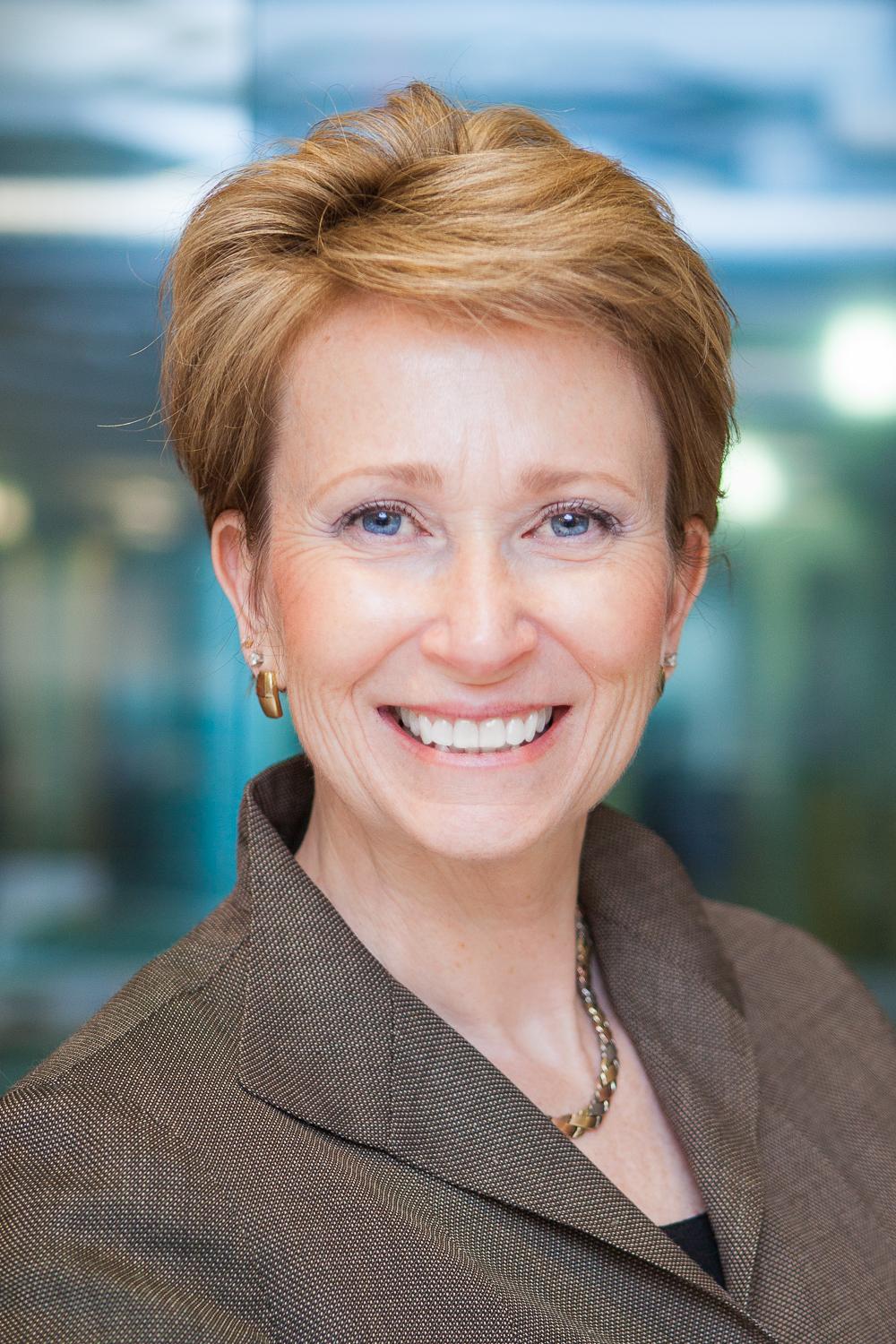
Penny has been a coach-practitioner since 2006. Her work centers on leadership coaching, coach education, organizational development, professional transitions, and the developmental changes that can occur when people learn to coach.
She serves as Director of Coach Education and adjunct faculty in George Mason University’s Organization Development and Knowledge Management program. Her teaching sits inside a scholar-practitioner tradition: theory matters, practice matters, reflection matters, and people learn by engaging directly with experience.
Penny’s PhD is in Human and Organizational Systems. She holds an MS in Organization Development and Knowledge Management and a BS in Psychology. She is an accredited Senior Practitioner with EMCC Global.
Earlier in her career, Penny worked in technology and project management, including troubled projects where stakeholder relationships had broken down. She became known for helping people talk again—essentially coaching before she knew that was what she was doing. That history still matters: her work remains grounded in real organizational tension, not abstract models alone.
Coaching creates a different kind of conversation—one that helps people see their own thinking, expand perspective, and choose more intentionally.
Productive InteractionsThese themes recur across Penny’s coaching practice, academic teaching, published research, and public presentations.
Helping leaders grow their capacity to work with ambiguity, multiple perspectives, and increasingly complex environments.
Explore the research →Research and teaching on how coaches learn, how theory connects to practice, and why becoming a coach can be developmental.
Explore coach education →Building better conversations, stronger relational capacity, and more human ways of leading change.
Explore inner development →Leadership challenges are easier to think about when the conversation makes room for complexity.